June 7, 2025
Hey there,
Most of us can probably relate to one specific feeling from our puberty and high school days — the urge to fit in.
Some people may have had it easier, but it's kinda universal to have gone through an "ugly duckling" stage at one point or another. We don't have a strong sense of identity at the time, and we are very easily influenced. This comes at a price, as we keep on chasing other people's highlights in our day-to-day, we try to get other people's best traits without any of the bad ones, and that's what's often called the "self-improvement trap". 🕳️
Speaking from my personal experience, I've tried hard to go against the inertia of my life, to a big extent because of a need for external validation. Like:
- Getting into the gym 🏋️
- Trying to be more adventurous 🚩
- Even to an extent, my academic journey — if I were 100% secure in myself and my goals, I may not have completed my last year at uni, when I was already working something very different from what I was studying. 🎓
Still, I reckon that those were net-positive behaviours, and in the end, are productive for my current life. It's interesting to think about, tho — if I were perfectly happy with myself, and the box I fit in, would I be chasing improvement at all?
As I already hinted at, we usually want to mimic people at their best — but don't want to be where they are at their worst, which was needed to get to said "best".
Stoicism, for example, is one of those traits. We may aim to be more stoic, but if pursued for its own sake, it can easily make you simply emotionally numb. It's why it became a popular "philosophy" or vibe for adolescents to chase — it's easy to say you "feel nothing" when you don't do the mental work of processing said emotions. It's almost like trying to get to a goal weight — if you want to achieve X kg in Y time, you can do it in a bazillion ways, only a few of them healthy and sustainable in the long term. One can dehydrate themselves over a few days, drink diuretics, not eat at all, or even cut off a limb — it'll all result in a lower number on the scale, and this makes you reach the goal, in theory at least. However, what we usually chase is not just a number on a scale, but a certain feeling — experiencing a lightness in your walk, less bloat, more mobility, etc. So yeah, this is what I had in mind when thinking about the hidden cost of pursuing poorly-understood ideals.
I can think of many ways in which I worked against myself in the pursuit of something that I thought I wanted or needed:
- There was a time in my last year of high school when I woke up at 6 am every day. I did it because I considered it the ultimate proof of discipline. What ended up happening after a few days, however, is that I woke up, only to drag myself to the kitchen and resume my sleep, sat down at the table, hunched over a cup of coffee. Just waking up early with no specific purpose just meant more tiredness and a couple more hours in the morning to dread over homework.
- The second thing is something I still somewhat struggle with to this day, and it's the need to only consume "productive" media. Why give a book a chance if it's not a self-help one, a business book, or a renowned classic? Basically, if I didn't get brownie points for reading it, I wouldn't find motivation to do so. Now, I'm still very selective over movies I watch and books I read, but I try to let loose a bit more, stopping to smell the roses, as they say. 🌹
- And last thing I can think of, this newsletter. For quite a while, I thought of it as mostly a marketing tool. However, I realised over the last 10 or so issues, that what actually makes me happy in maintaining this newsletter, is the fact that you open it in your inbox, see the (usually cleverly worded) headline, and think "Oh nice, I can't wait to see what Yassen thinks on this specific topic". Maybe this isn't the best move business-wise, but ultimately, it makes me write with a sense of sincerity, actually spilling my thoughts on the virtual paper instead of thinking about what is the best way to get more clicks off the subscribers.
Maybe that's the real lesson: most of the time, what we chase isn't the result itself — it's a feeling we've mislabelled and misdirected. We say we want discipline, but what we really want is peace of mind. We say we want to be stoic, but we actually crave stability. We chase admiration, but maybe it's connection we're starved for.
And the issue is, when we blindly copy someone else's route, we risk ending up somewhere we never wanted to be — looking in the mirror and not even recognising the guy in the reflection, wondering where the real you disappeared along the way.
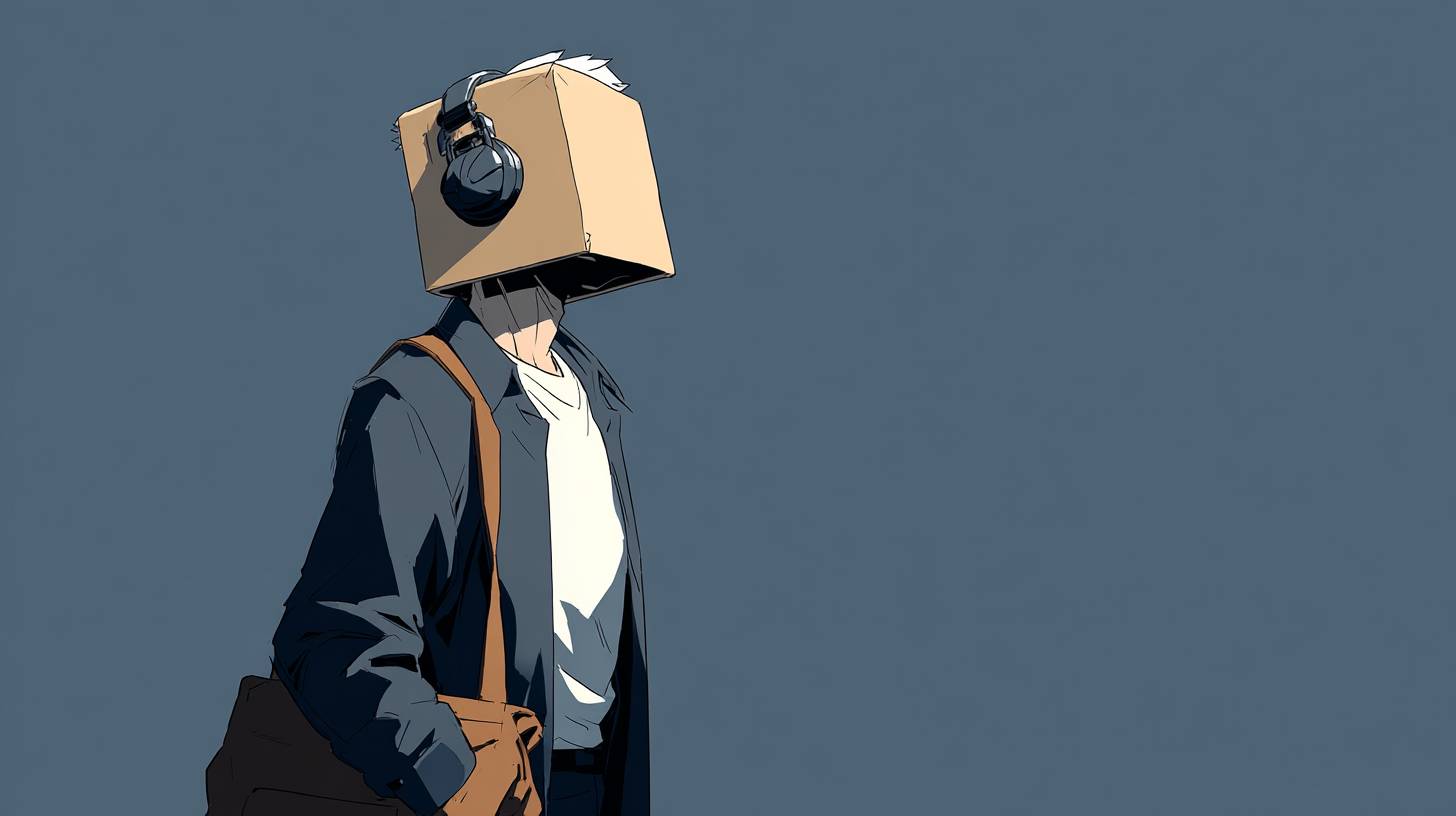
So what now? I don't think the answer is to stop improving. But maybe it's worth pausing now and then to ask: Is this box I'm trying to fit into even shaped for me? If not, maybe it's time to make a new one.
Or better yet, stop trying to live inside a box at all. There's something powerful about letting yourself be seen, rough edges and all, and trusting that the right people, the right growth, and the right kind of success will follow from the most honest version of who you are. 📤
Weekly Insights
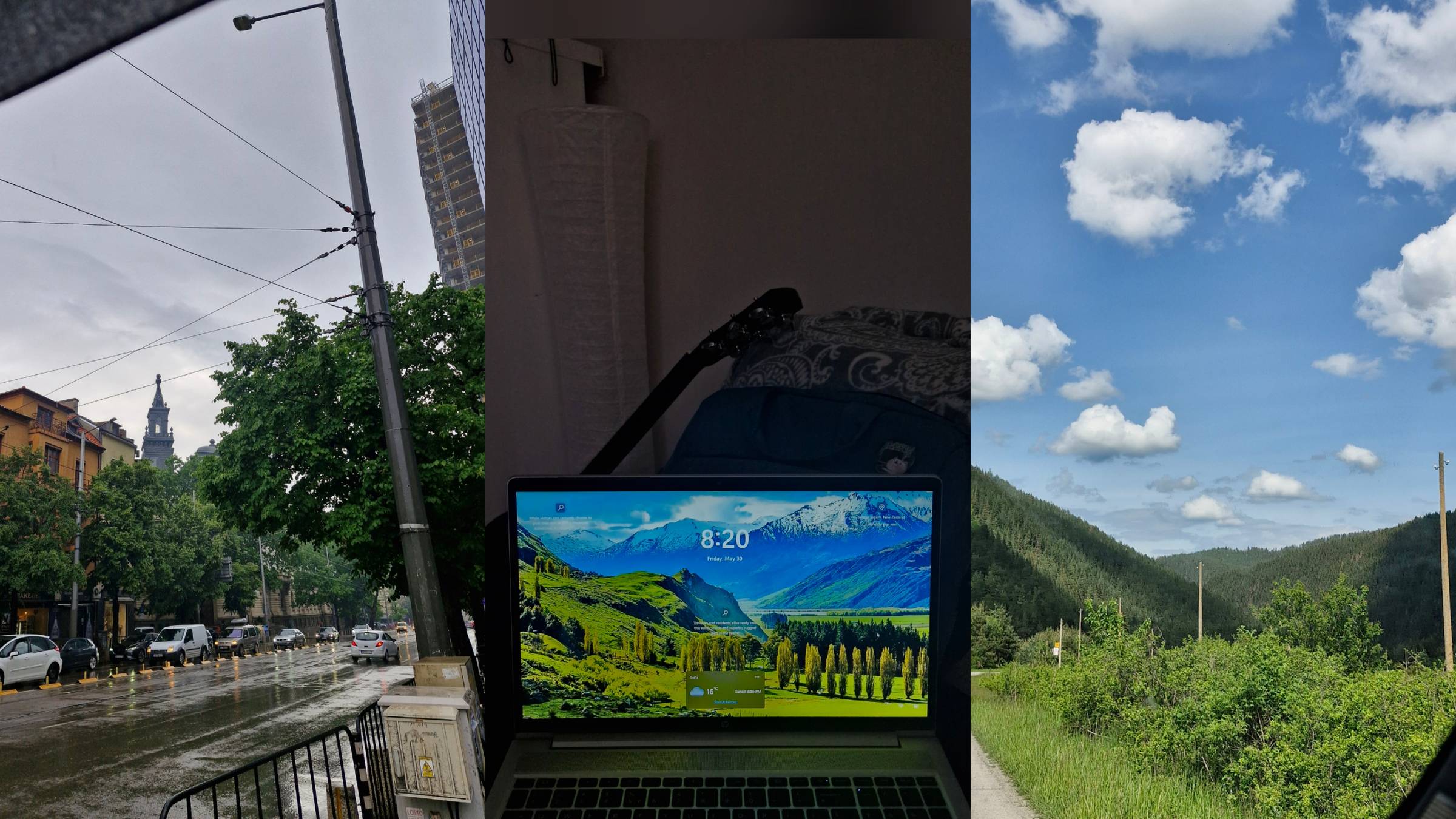
- Highlight of the past days — the first trip with my car outside of Sofia! It was just 1.5 hours away, but I got to experience some sharp turns, higher speeds, and well, other cars, which was the true test, haha. 🚘
- Ultimately, it was the exposure that I needed — once I saw and experienced personally that it's possible to just hop behind the wheel, drive a while, and end up in a pretty destination, my appetite for it grew.
- Maybe I do need more exposure therapy in my life. Doing small things that challenge my boundaries to see that ultimately it's not so scary after all. 👾
Book Highlight: The Millionaire Fastlane
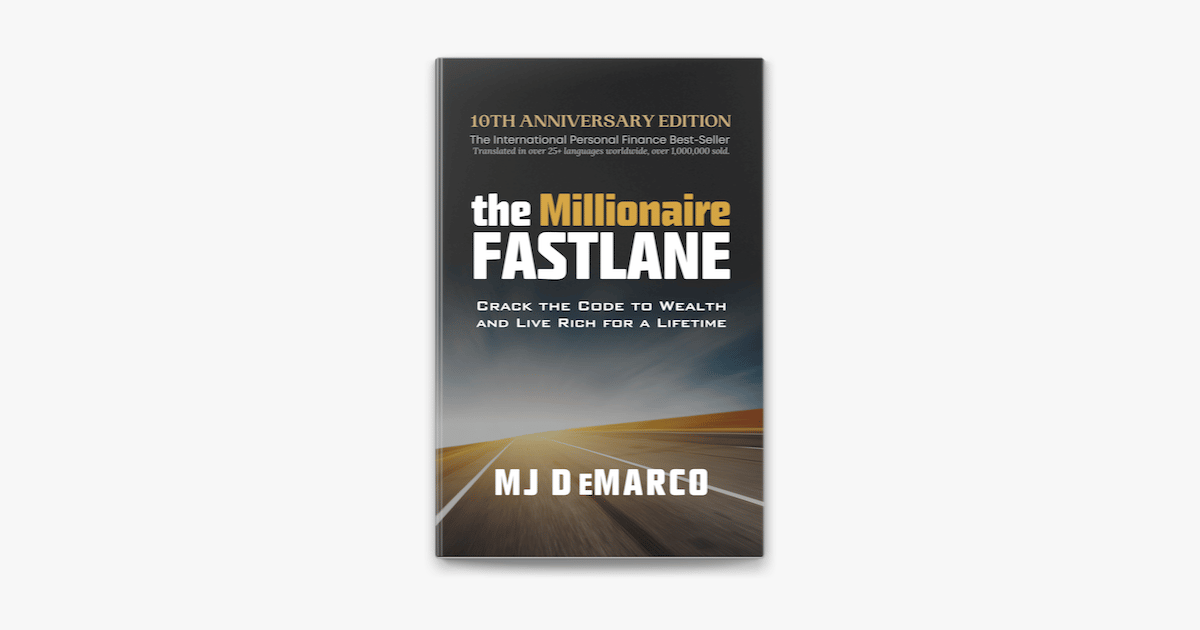
"The Millionaire Fastlane" by M. J. DeMarco is one of those staple books that get recommended everywhere, like Rich Dad, Poor Dad and The Psychology of Money. And for a good reason — it covers a nice and productive philosophy to life when it comes to finances, that most people need to be taught, since it's not the most intuitive.
The book makes a strong case against the traditional 'slow and steady' path to wealth — working hard, saving your money in a bank, and retiring at 65 (or 75, more like). DeMarco calls that the 'Slowlane', and he emphasises how broken he thinks it is. In contrast, the 'Fastlane' is about speed, leverage, and control: building systems, creating value at scale, and escaping the hourly wage trap — essentially, building a sustainable business around one's work. Not in a get-rich-quick kind of way, but in a sustainable-evergrowing-garden type of way.
Reading it didn't make me quit my job or start flipping NFTs (what was popular at the time), but it nudged me toward building side incomes, viewing my career less as a single track and more like a flexible, modular setup. It planted seeds, like not tying my identity to one title, and treating time as my most expensive asset.
Is it loud and a bit excessive? Absolutely. But it's one of those books that leaves you thinking a little differently about where your road is headed. I'd give it a solid 7.5/10, especially if you're early in your career or craving a mental reset around money, time, and the kind of life you're optimising for. 💸
Worth Watching This Week
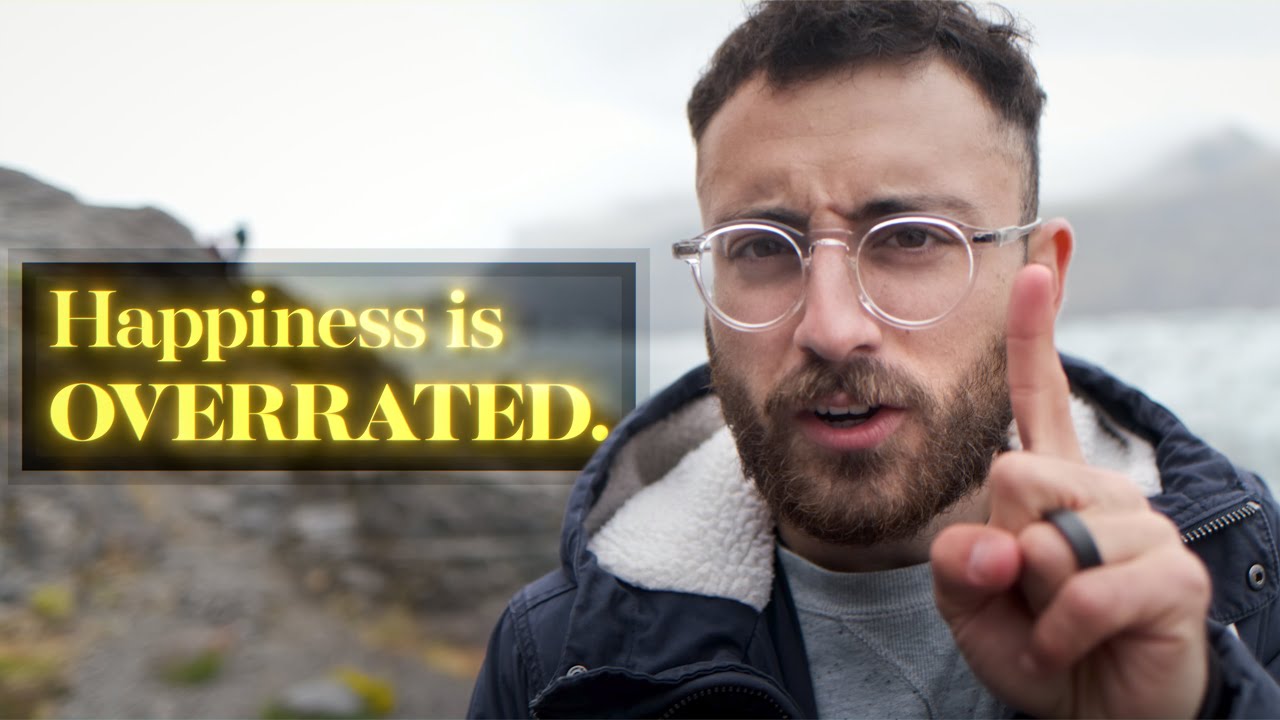
The real reason you aren't happier by Nathaniel Drew — a calm, thoughtful look at why "more of everything" often leaves us less satisfied.
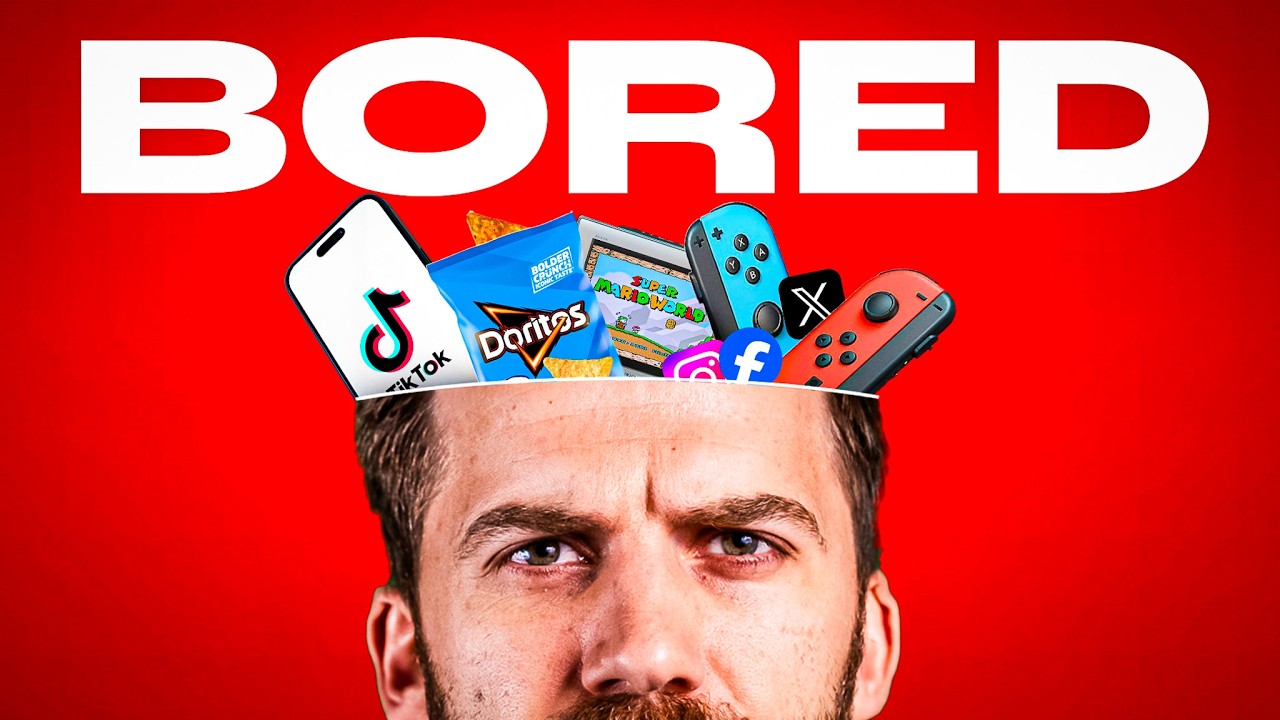
Why Everything Is Making You Feel Bored by Johnny Harris — a sharp dive into how saturation and convenience have quietly dulled our sense of novelty.
Closing Thoughts
Till next week, stay safe, stay curious, and keep kicking. ✌️

Written by
Yassen Shopov
Exploring the intersection of productivity, technology, and personal development. Building tools and sharing insights to help others live more intentionally.