February 20, 2025
The last couple of days, I've been thinking more about the meta behind my goal-setting — why am I trying to do the things I'm trying to do?
It should be a straightforward answer, but I find that it has layers. A.k.a., you don't just want $X/month — it's financial freedom that you're after, or a specific investment that you want to make, like a house, or a dream car.
In my case, when I started this year, I was thinking about what I wanted to achieve, and some goals felt a bit arbitrary to me (like managing to push a random amount of weight on the bench press, running 5K under 28 mins, and donating blood X amount of times per year). Then I thought about it and realised that the hidden agenda behind some of my goals is mainly to build lore — or in other words, create cool stories in my own life, to look back on in the future.
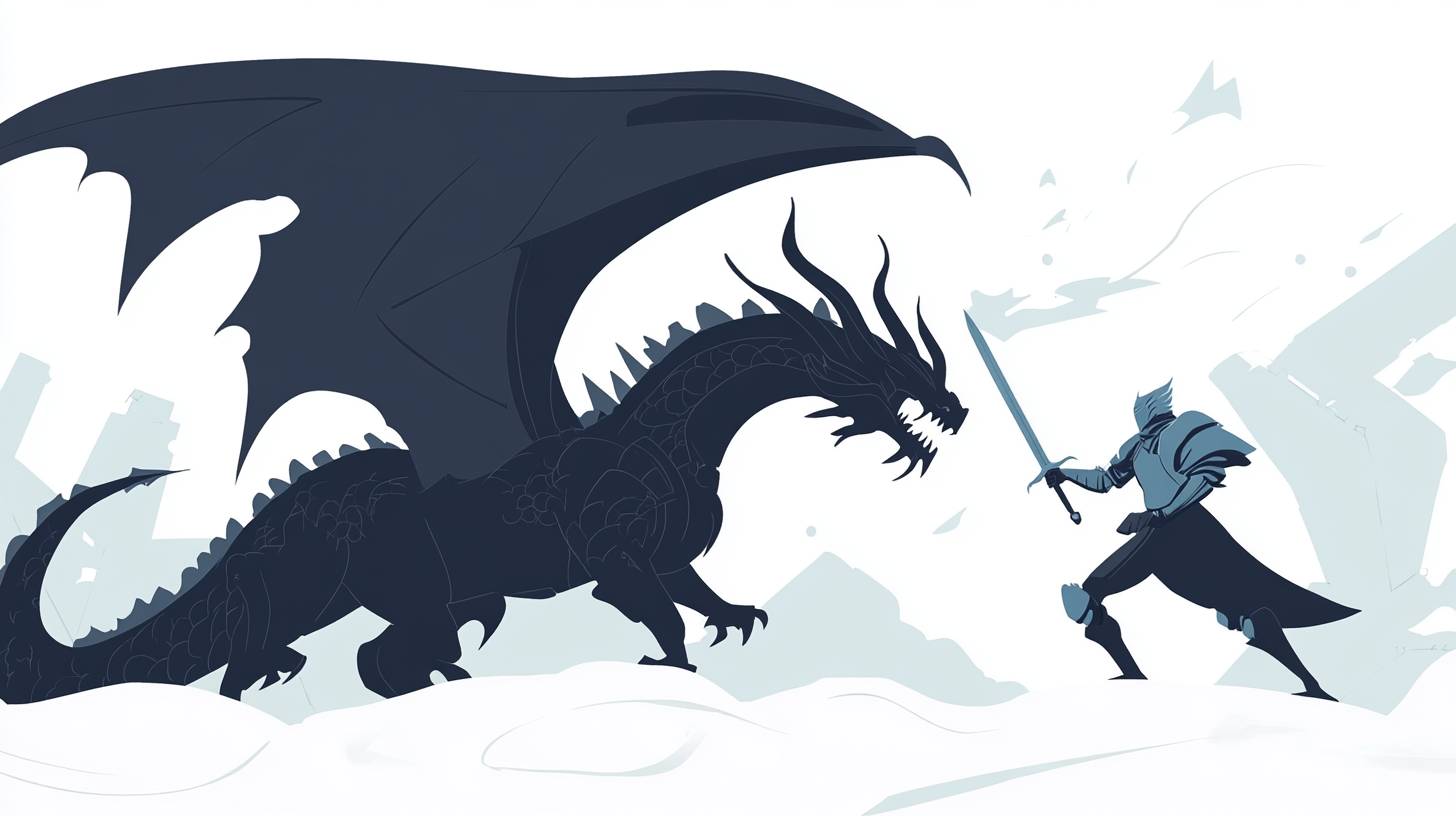
It may sound silly, but I feel like a big portion of a person's life satisfaction is based on the potency of these exact stories — Dr Jordan Peterson describes them as 'dragons' that we aim to slay; we pick hard battles because the outcome is usually proportional to the difficulty. 🐲
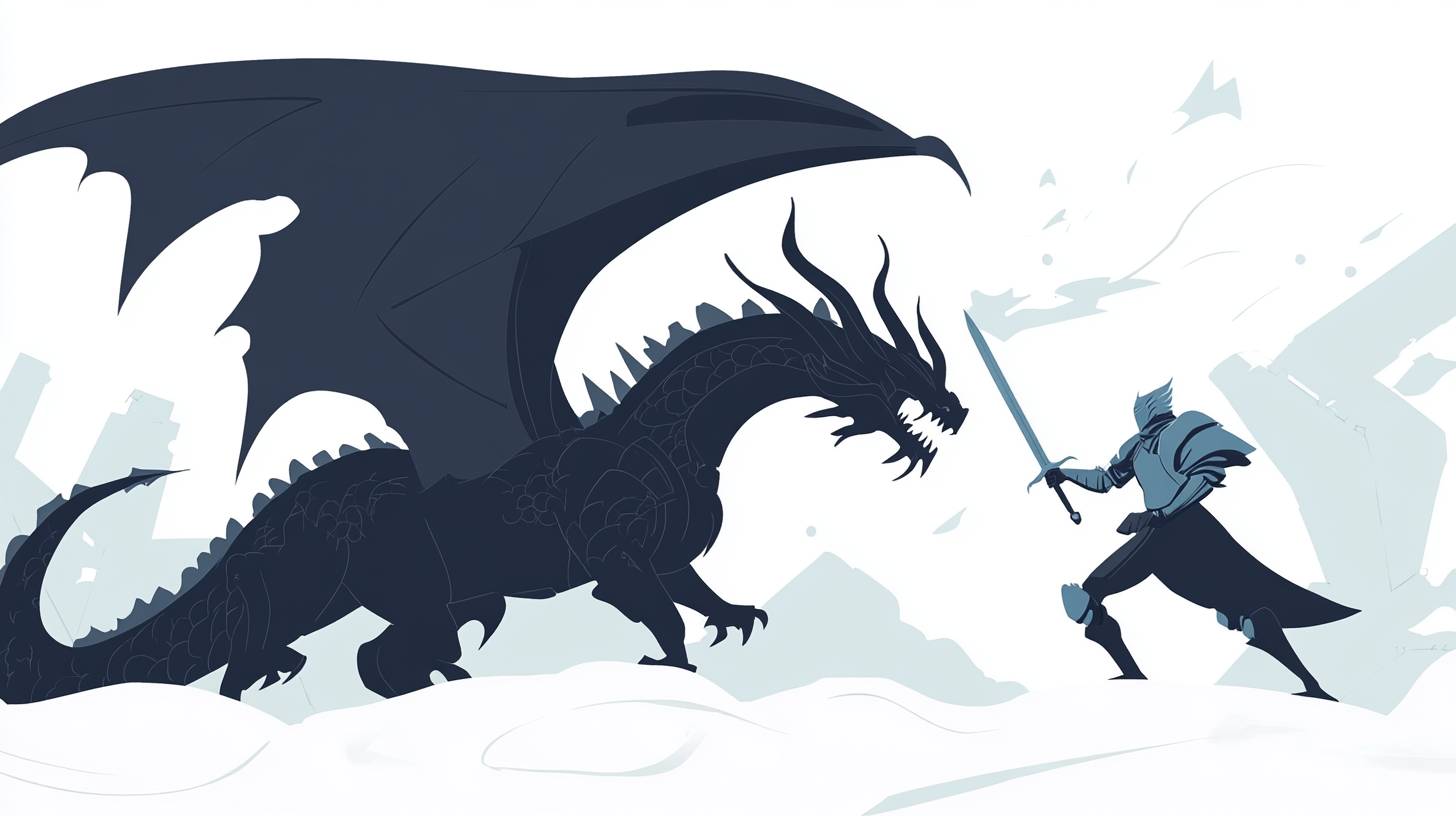
So I've thought about it, and managed to create my own framework for what a good Quest to slay a Dragon looks like:
- Difficulty — The dragon should be tough to slay, and it should take a strong person to do it. This is why we want to set ambitious goals (sometimes called stretch goals), which are just at the edge of what you think you can achieve. If you set your aim too low, you risk staying in the trap of mediocrity, and if you aim too high, you risk demotivating yourself. ⚔️
- Relevance — In the spirit of pick your own battles, I feel like we should pick dragons that are relevant to our life stories. Hiking Mt Everest or running a marathon may be the peak achievement in somebody's life, but it may not be entirely relevant to you — in your case, overcoming some specific fear you hold, bringing value to your family and close friends, or finally owning something you've dreamt of, may be the 'correct' dragon for the specific time. 🎯
- Legacy — This one's a bit abstract, but I think a good dragon-slaying quest should leave you with something you can carry forward. Maybe it's the confidence you gain, the people you meet along the way, or even the example you set for others. Slaying a dragon should leave a trace — not just in your memory but in your ongoing story. 📝
- Fun Factor — Finally, I think a good quest shouldn't be purely a grind. Yeah, hard work is necessary, but there's gotta be a spark of fun, curiosity, or excitement in the journey. If slaying a dragon doesn't light a fire inside you at least part of the time, maybe it's not the right one. 🎊
So, as I continue my journey this year, I'm aiming to be more intentional with my goals — picking dragons that feel personal, exciting, and meaningful to me.
What about you? What dragons are you slaying this year?
A Sick Week and Some Strategy

- The last couple of days, unluckily for me, went under the sign of the flu — just a sore throat and a cough was enough to stop me in my tracks. For this week, I've hit the pause button on my runs, gone easier on my lifts, and tried not to focus too much on my resting heart rate going up 'cause of the virus. 🦠
- Other than that, the few days I spent at home recovering gave me some time to try and fix my sleep schedule a bit, as well as regroup and strategise more about my Q1 goals as the clock keeps ticking.
- I may need to cut corners here and there, but I feel like with some pushes in March, I could still end up with a fulfilled first quarter of 2025 — and if not, there are lessons to take into Q2. 📆
Book of the Week: East of Eden
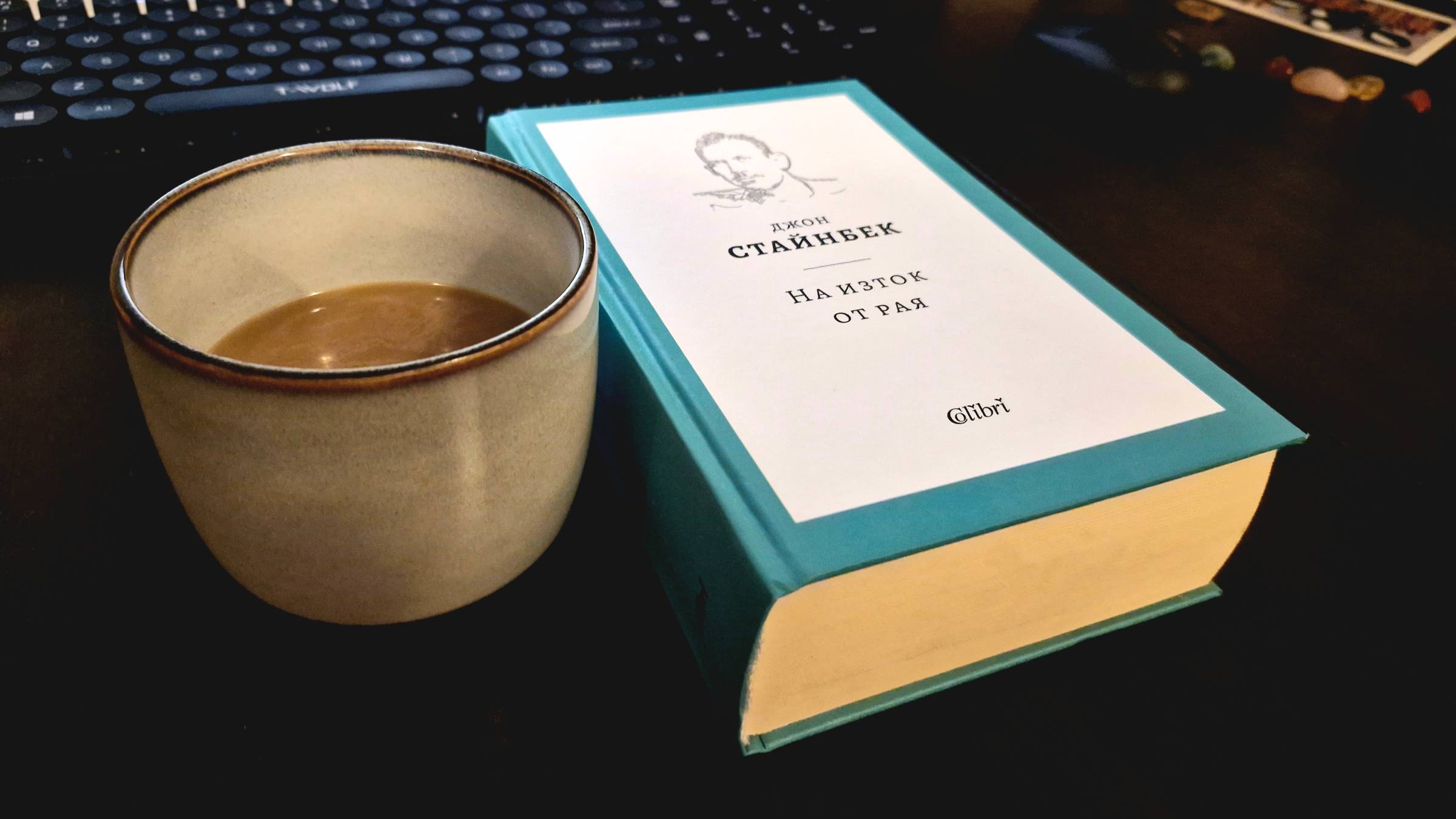
East of Eden by John Steinbeck is a literary classic that many of my US readers will recognise from their school reading lists — in Bulgaria, where I'm from, it's a bit less popular, but it's still a widely-renowned classic.
It follows three generations of characters, and throughout the story you see families prosper and collapse, intertwine, and diverge. It's a great read if you enjoy detailed pictures, as it goes deep into the lifestyle of the people in the Salinas Valley in California after WWI.
I feel like the reason it's such a popular classic, and why I personally enjoyed it, is the exploration of Biblical motifs — like the story of Cain and Abel — through its characters. Steinbeck names his characters Charles and Adam, and later Caleb and Aron, and through them he explores the brotherly dynamics, the betrayal, the envy, and their fathers' recognition or disdain. The book doesn't (in my eyes, at least) have a single solid message it wants to teach the readers — it simply tells human stories about how our choices make up our lives, and the role we have in creating our own fate.
It's an excellent book, albeit quite dense, and not for every reader, so I'd give it a solid 8/10. ⛰️
Worth Watching This Week
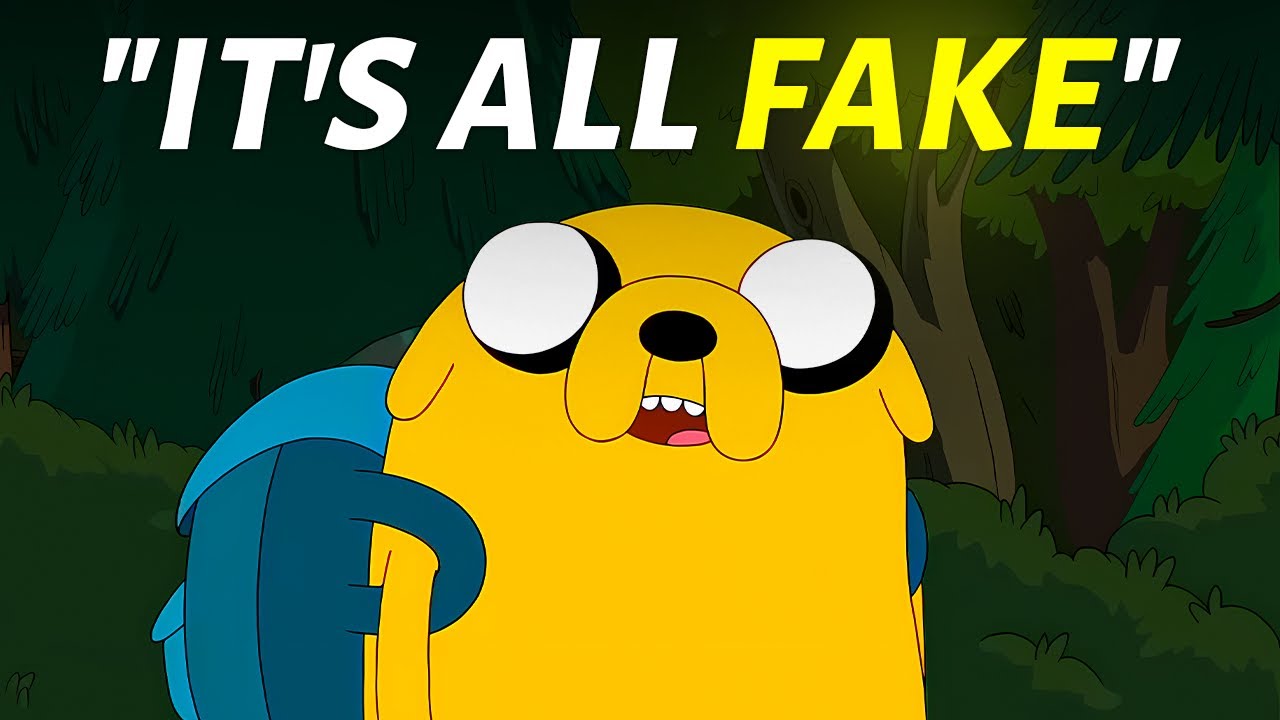
The Lessons We've Learned From Jake by Lessons Of — a character study masquerading as a life-lessons video, on chasing meaning over comfort.
You Gotta Work For It by Captain Sinbad — a no-nonsense kick in the pants for whenever the dragon feels a little too big.
Closing Thoughts
Till next week, stay safe, stay curious, and keep kicking. ✌️

Written by
Yassen Shopov
Exploring the intersection of productivity, technology, and personal development. Building tools and sharing insights to help others live more intentionally.