
June 23, 2026
Hey there,
For the past few months, my favourite series has been The Bear, and this means that my entire YouTube, Instagram and Pinterest feeds are FULL to the brim with fan content and clips from it. It's really grown on me, both thematically and aesthetically. (Also, its latest season is coming out in a couple of days, so there's extra hype.)
In short, it follows the story of Carmy, a brilliant but deeply anxious chef who returns to his brother's old sandwich shop to turn it around and eventually make it into a star-worthy restaurant. It's a story about much more than food and cooking, and delves into family, trauma, the bonds between people, and the driving forces behind strong behaviours. Definitely would recommend!
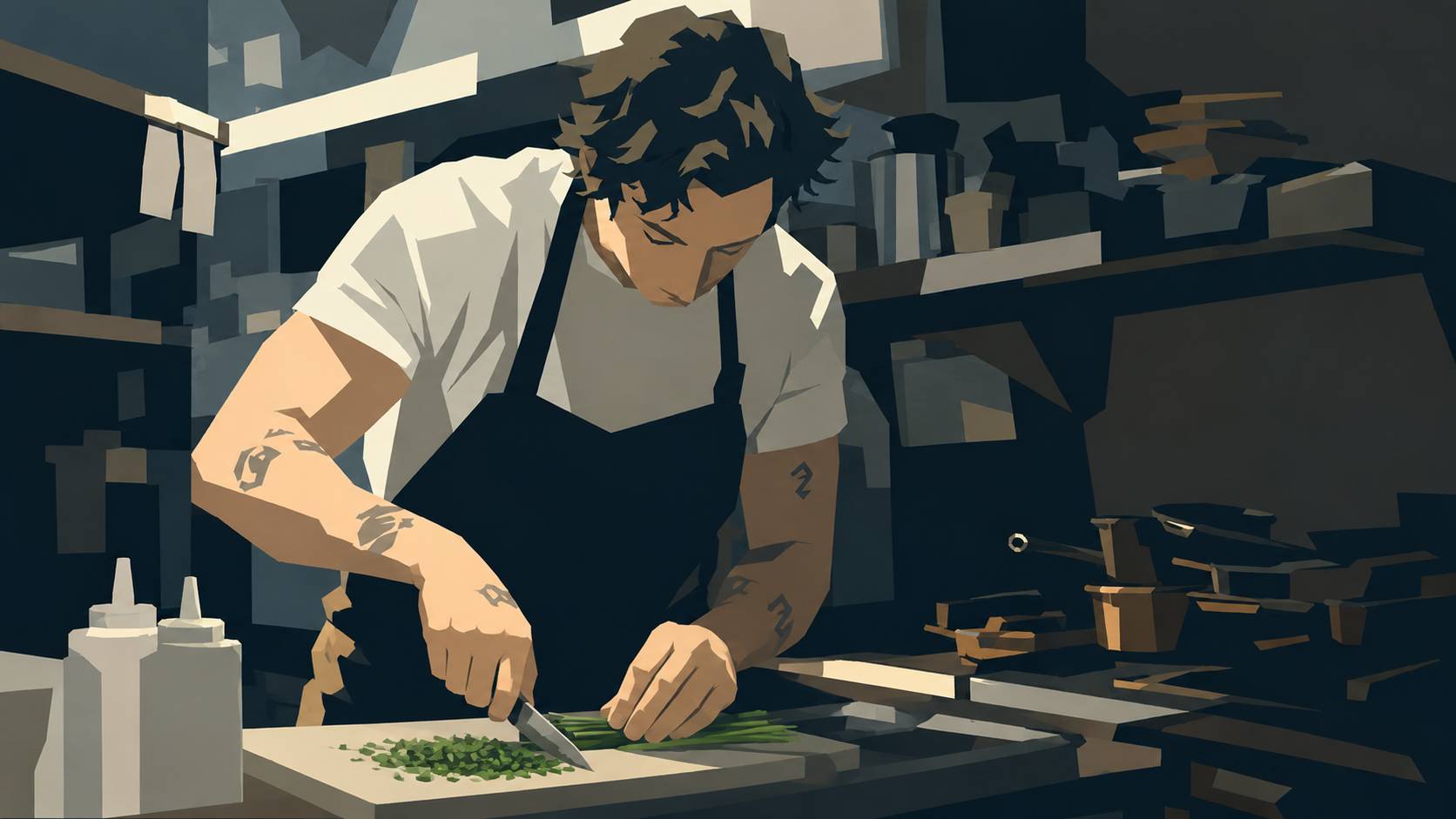
There are many scenes from it that I think about frequently, but one of them specifically stuck with me.
Namely, the one below — you can watch it if you want to:

It's what you can expect from a series about cooks — when Carmy was a young chef, he was learning under Chef David Fields, who instilled in him brutal discipline and striving for perfection, in the style of the Whiplash movie. One of his main philosophies regarding food was to "Subtract" — to always aim to create a dish with just the minimum number of ingredients, to never repeat them, to strive for minimalism.
During the run of the series, it becomes obvious that Carmy took that to heart not just about food, but for his life in general. He applied the rule of subtraction to:
- his family
- his friends
- his need to experience amusement or enjoyment
And that all led him to become very good at his art, at the cost of everything else — by reducing his life to just work, work, work, he did excel at it. And as you'd find out if you followed along, in later seasons he has to face that cost, and learn to accept more in his life — more people, thus more chaos, but ultimately more meaning.
Still, that simple concept seems to work well in multiple contexts, and I've been trying to apply the rule of subtraction in places where it's actually healthy.
- I often find that I'm spread too thin across projects. So I now attempt to have mostly 1-2 active projects in front of me, with the others being there on the back-burner — still in sight, still next in queue, but out of mind at least for the current second.
- In a purely professional sense, I've found that my output is better when I try to subtract. Especially with AI, oftentimes you can produce apps and websites with so many features, when the actual "best" form of the product would be much more minimal. So I attempt this exercise to prune my projects from needless branches, to think only of the shortest and cleanest route a user should take from point A to B, and to remove flair when it's a distraction.
- In a fashion and style sense, also in terms of interior design, I attempt to reduce visual clutter.
- And lastly, in terms of the expectations I put on myself — I try to keep it focused, concentrate on a few important things, and not live constantly looking at the peak from the bottom of the mountain, in a sense.
What are the ways you've been applying minimalism in your life? I'd love to hear.
Weekly Insights
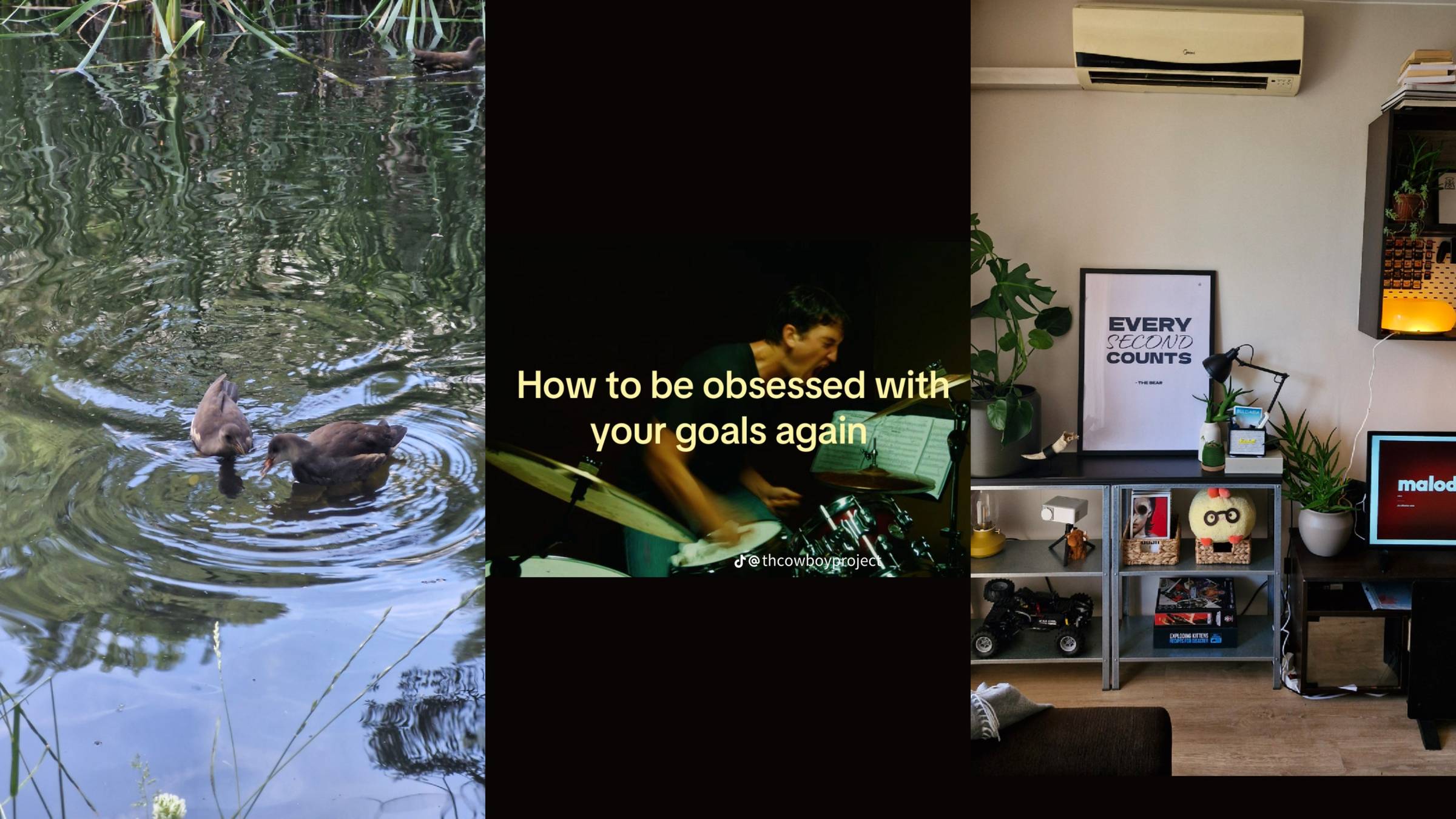
- The past few weeks have been a pendulum of sorts — I try to introduce more downtime and chillness in my life, to counteract the stress I've accumulated so far, but at the same time that same downtime gives me, well, the time to reassess my goals and how I allocate my energy.
- I think the common thing in all cases is intentionality. I will certainly try to keep my chill streak for now, but to do it intentionally, and not just as a result of poor organisation and lack of plans.
- As for the goals part — there's a very visible objective in the near future; to be able to run a half-marathon (21K) this October, so let's see how that goes. 😴
Book Highlight: Before the Coffee Gets Cold: Tales from the Café
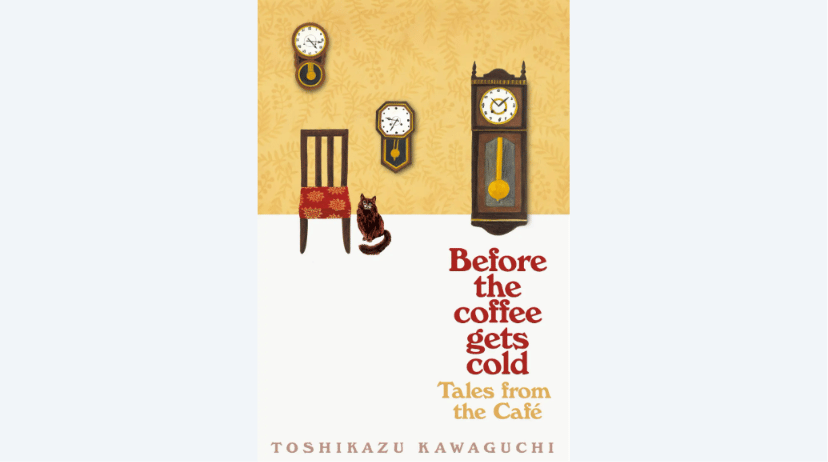
"Before the Coffee Gets Cold: Tales from the Café" is the 2nd book in the "Before the Coffee Gets Cold" series by Toshikazu Kawaguchi.
I've written about the 1st book in the series in this newsletter before, which I managed to read in just one Sofia-Edinburgh-Sofia flight, it really hooked me. It's a simple premise — at this specific Tokyo cafe, you get the chance to move back (or forward) in time and potentially meet with loved ones, relatives, people from the future, etc.
It's not like either of the 2 books has a distinct point to make or plot to follow, although some of the characters from book #1 do appear as references in book #2, but I think that's more for the reader's enjoyment. Overall, it's a collection of a few short personal stories about different characters, who use the time-travel cafe to resolve regrets, grief, hope, and other complicated feelings and situations.
The series has 5 books in total at this point, but I doubt I will be reading the rest anytime soon — it's a really good feel-good book, but ultimately not especially deep prose.
Worth Watching This Week
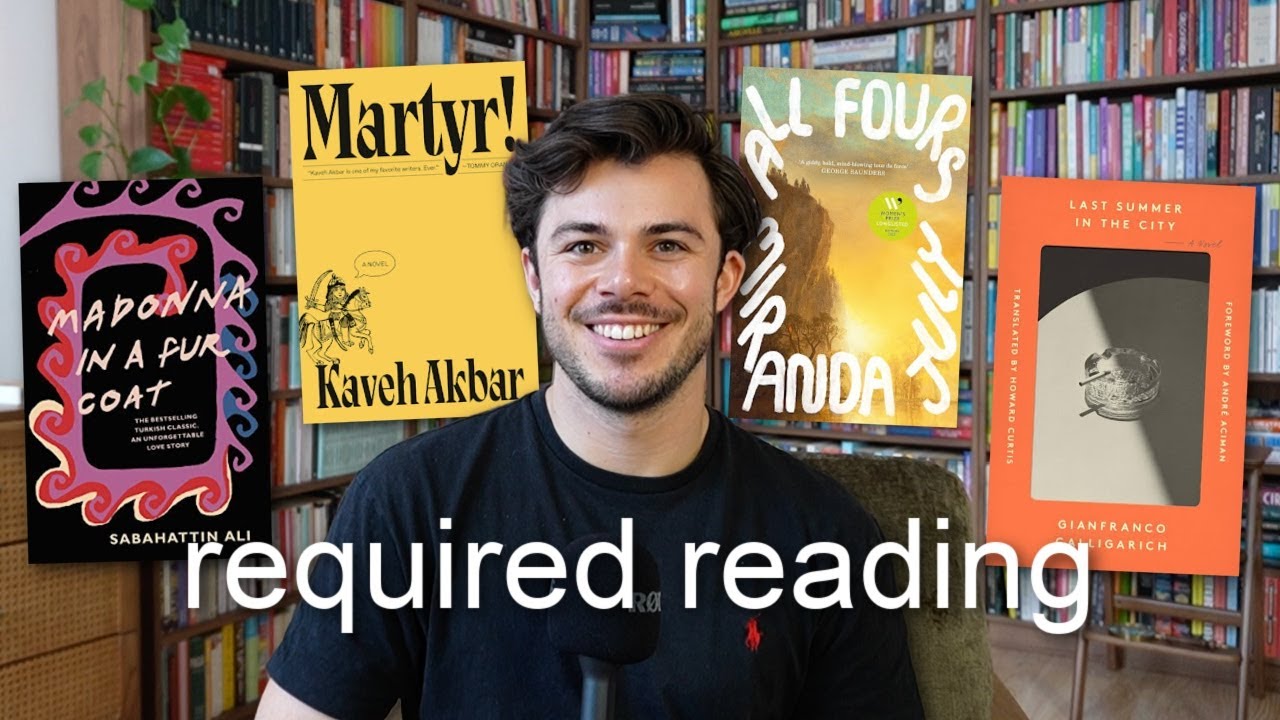
books I'd rate 6-stars if goodreads made it possible by Jack Edwards — a fun, bookish rundown of the reads that would break the rating scale.

Please stop hiding from life. by Nathaniel Drew — a gentle, reflective nudge to stop hiding and step back into your own life.
Track of the Week
Closing Thoughts
Till next week, stay safe, stay curious, and keep kicking. ✌️

Written by
Yassen Shopov
Exploring the intersection of productivity, technology, and personal development. Building tools and sharing insights to help others live more intentionally.