August 5, 2025
Hey there,
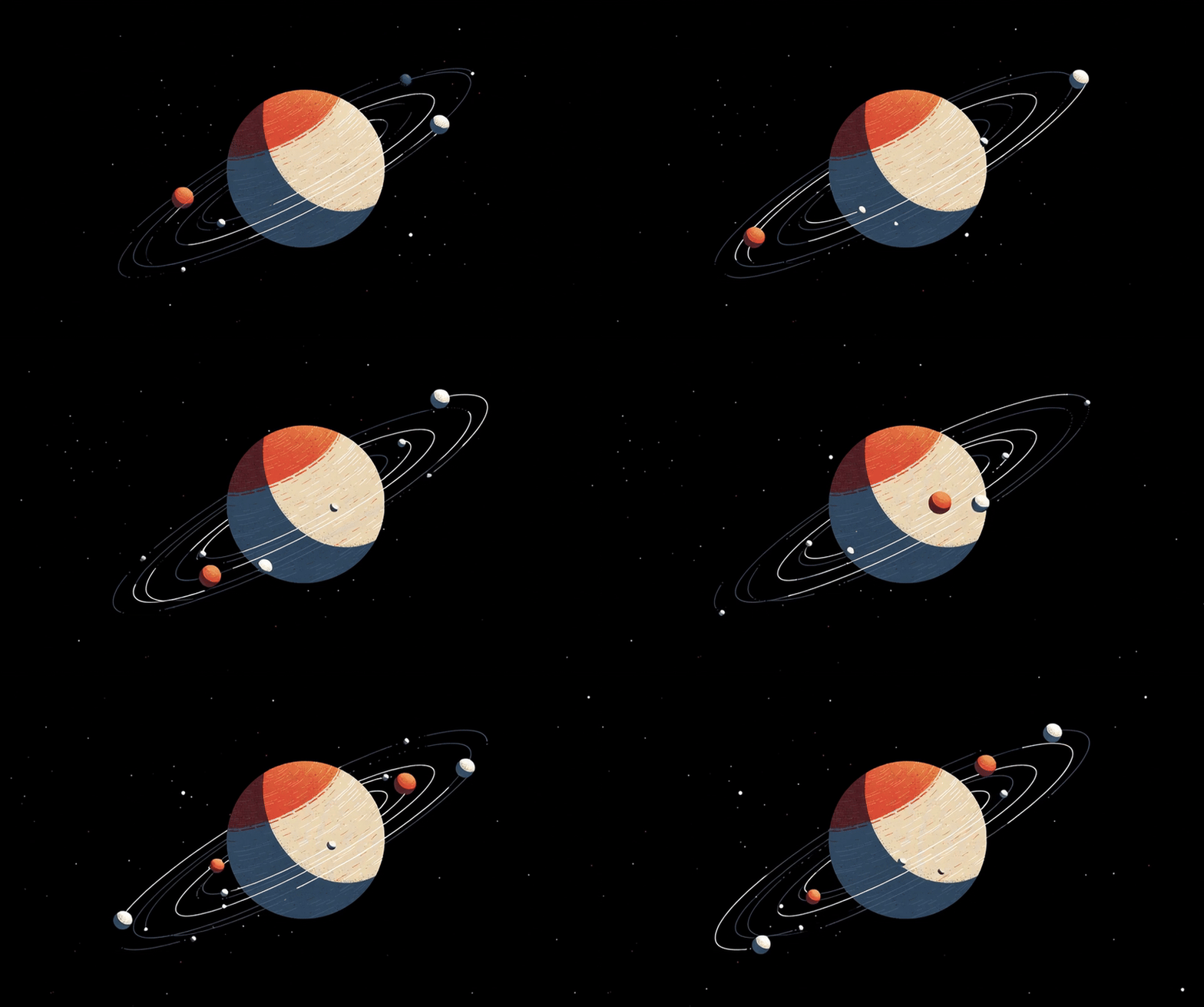
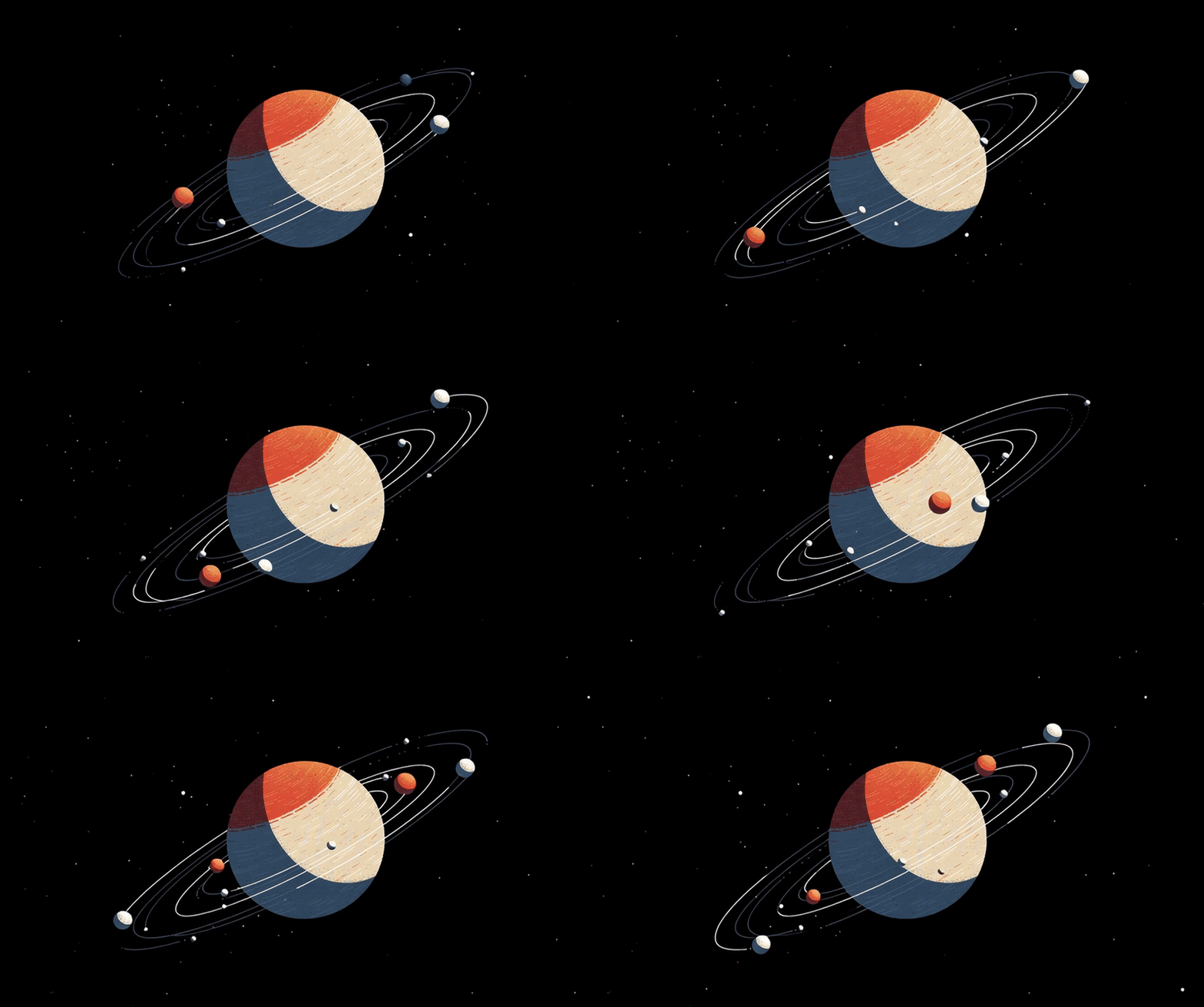
Have you noticed how some people seem to pull everyone else into their orbit, seemingly without even trying? That one friend who always plans the group trips, the person on Instagram you refresh your feed for, the YouTube creator for whom you still keep your notifications active. Social and parasocial circles can feel like little solar systems, and we don't always realise who's the sun and who's the satellite until we look up.
This week's theme is social gravity, a.k.a. the invisible force that keeps us spinning around certain people, communities or concepts. Planets, big and small, each exercising their gravitational pull. The question is: who do you orbit around, and who orbits you?
Lately, I've been thinking a lot about how many different "orbits" I find myself in.
There's the core group of friends I've known for years in real life, then the people I only interact with online, the YouTubers and podcasters I've never met but who somehow feel like part of my inner circle. These parasocial connections (investing in people who don't really know we exist) can be unexpectedly influential in your life.
When a YouTuber I've been following for years shares a life update, it almost feels like an event. For example, when Ali Abdaal launched his book, "Feel Good Productivity", I pre-ordered it on Audible, and then also got the physical copy when I saw it in a bookstore. The book itself wasn't even all that much — but it felt like giving back to the creator that I feel has increased the quality of my life through their content.
At the same time, juggling multiple social connections, especially when not in the same orbit, can be exhausting.
There is this concept known as "Dunbar's number" — the idea that there is an upper limit to how many people you can maintain meaningful, two-way relationships with at once. And ever since we first lived in tribes, the number was ~150. However, now with the advent of social media, you are more aware of more people all at once — maybe not as deeply, but still quite well. So our number is probably inflated much beyond that, with celebrities taking up real estate in your brain where other data could have been stored instead.
Meanwhile, in those cases, the "centres" of those orbits aren't as overwhelmed, because they don't need to do a lot to keep you circling. They still do, since we live in an attention economy, but usually once you're hooked, there is enough content to keep you hooked.
So, am I saying we should stay in as few orbits as possible, and fight to be in the centre of them? Yes, and no.
Why we should optimise for a small solar system:
- Depth > breadth. Having fewer "planets" means you can invest properly in those relationships.
- Cognitive space is real. Even if Dunbar's original 150 isn't a hard limit, your brain can only track so many stories before it starts to blur the details. I feel like this is the reason why I can't start watching a new movie or reading a new book when I'm overwhelmed — I don't have enough bandwidth for even more personas.
Why being in quite a few orbits is beneficial:
- Variety fuels growth. Exposing yourself to different communities and personalities can broaden your perspective and spark ideas you wouldn't have encountered in your immediate circle.
- Joy in shared interests. There's no shame in enjoying parasocial relationships for what they are. Following a creator like Ali Abdaal and celebrating their wins can be genuinely uplifting; just balance it with real-life connections so you don't become an online zombie.
So, when I said "yes and no" to sticking to a few orbits, I meant this: there's virtue in trying to be choosy about which suns you circle closely and to be mindful about when you're just a passive satellite.
As long as your mental bandwidth is not overwhelmed, and you don't feel like just a satellite — I wouldn't be too critical of your parasocial connections. And on the topic of trying to be a centre of an orbit yourself, well, even the Sun is orbiting around other stars, which are orbiting around black holes, etc.
E.g., maybe it's just part of the human condition to not feel content existing in a vacuum. 🖖
Weekly Insights
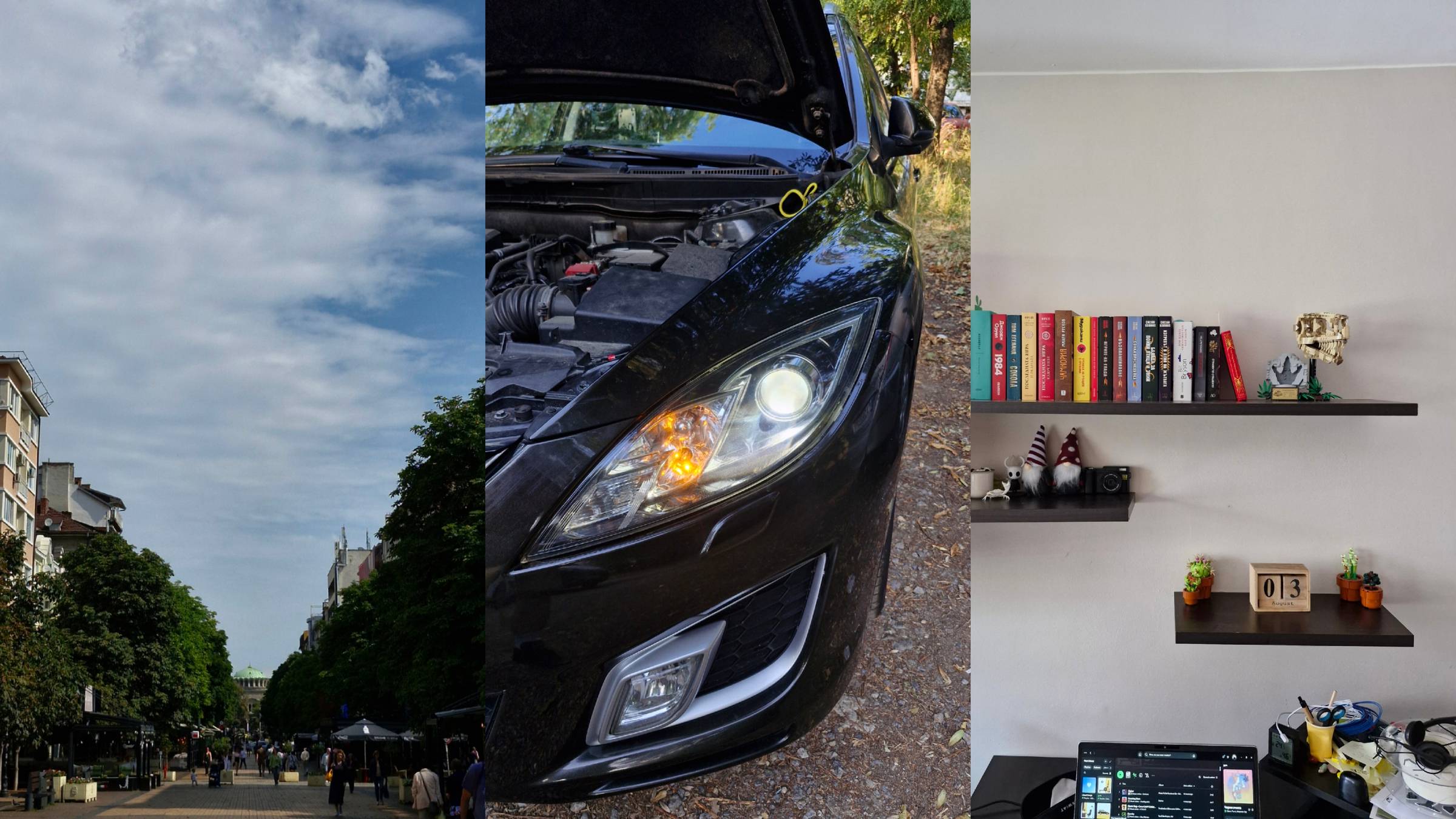
- The accomplishment of the week is highly unimpressive, but it still made my day — successfully changed that orange bulb in my car headlight!
- It's not a big deal, but it's the first more serious DIY action on the car, and it kinda reaffirmed my belief in how (almost) everything is "figure-out-able" — with a YouTube tutorial or two, and with the intent that it will be easier than expected, of course.
- And of course, managed to give myself a nasty nick on my wrist, from having my mighty clumsy hands inside the engine bay, but oh well, it feels like the correct price for a working bulb. 💡
Movie Highlight: Get Out
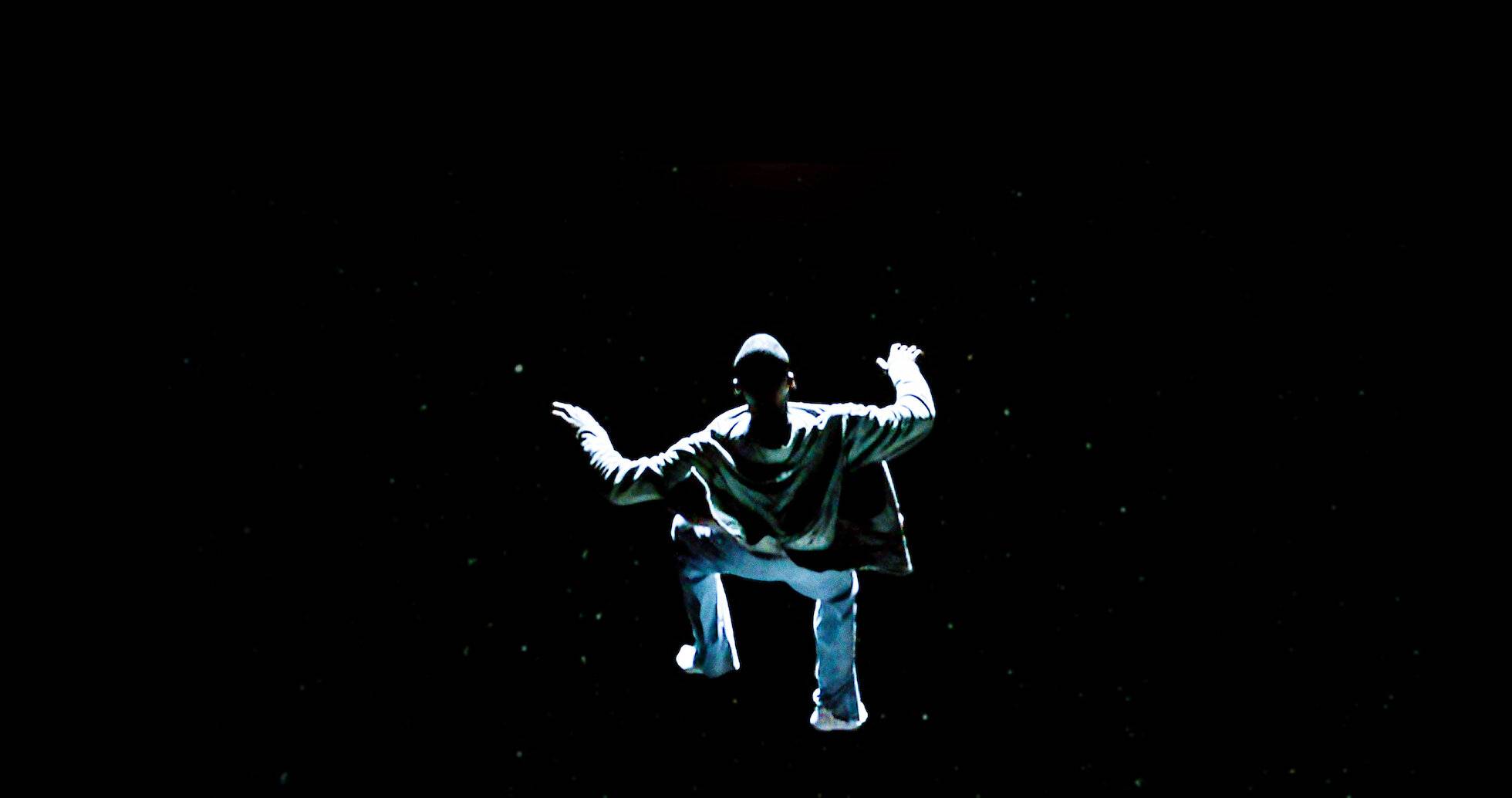
"Get Out" (2017) is a rather interesting film for me to add in this newsletter — I'm generally not a fan of the horror genre, but this was mild enough and not as heavy on the jump scares, plus it had a strong "conceptual" sense of terror, which made the premise fascinating.
It's about Chris, an African-American guy with a white girlfriend, who gets invited to spend a few days with her family at their forest retreat. It gets increasingly weird, as they act more and more off-beat with every next scene. They make uncomfortable comments about his race, his "superior" genes, and overall alienate him in a predatory way.
I don't wanna give the plot twist away, but it turns out that there was a reason why he got invited to this place, and it turns out he's not the only one to be lured this way. 🤫
A very tense film, with a constant sense of unease in every scene, and it's scary in completely non-supernatural ways — which I feel makes it even scarier. Give it a go, if you're in for a twist. 👍
Worth Watching This Week
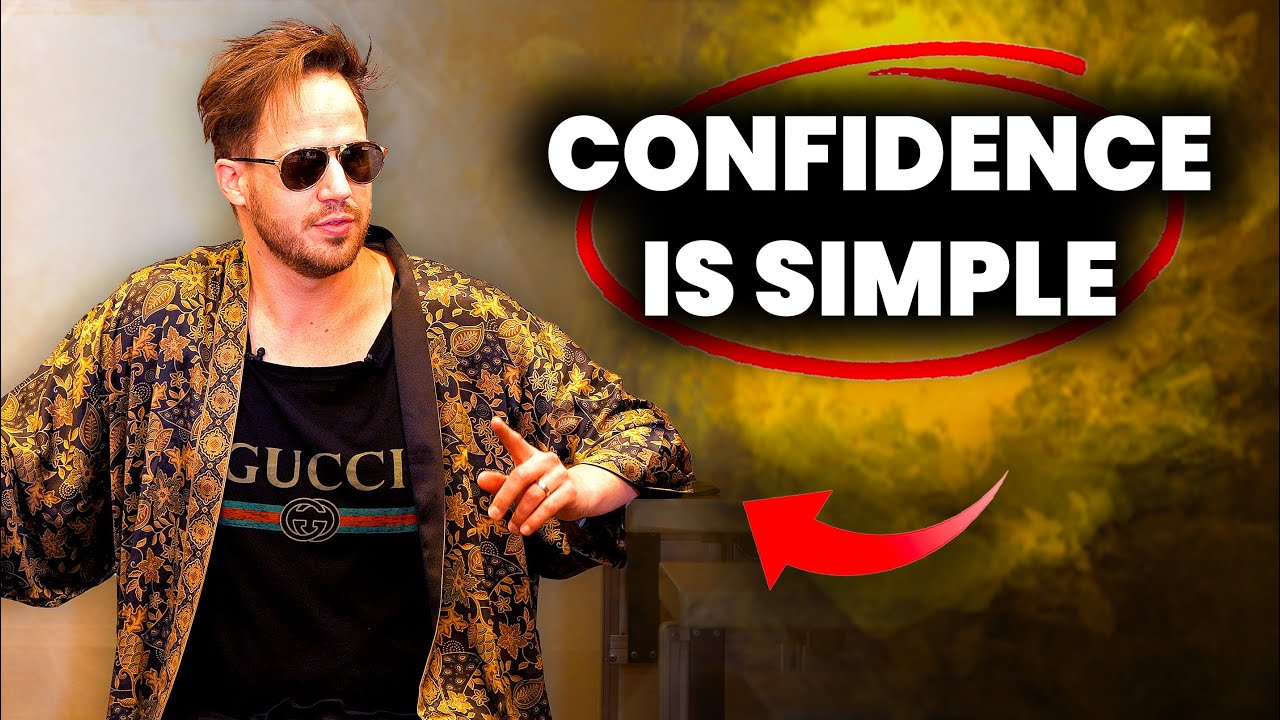
How I Got My CONFIDENCE Back... (Don't Ignore This) by JulienHimself — a candid, lived-in take on how confidence quietly rebuilds itself when you stop chasing it.
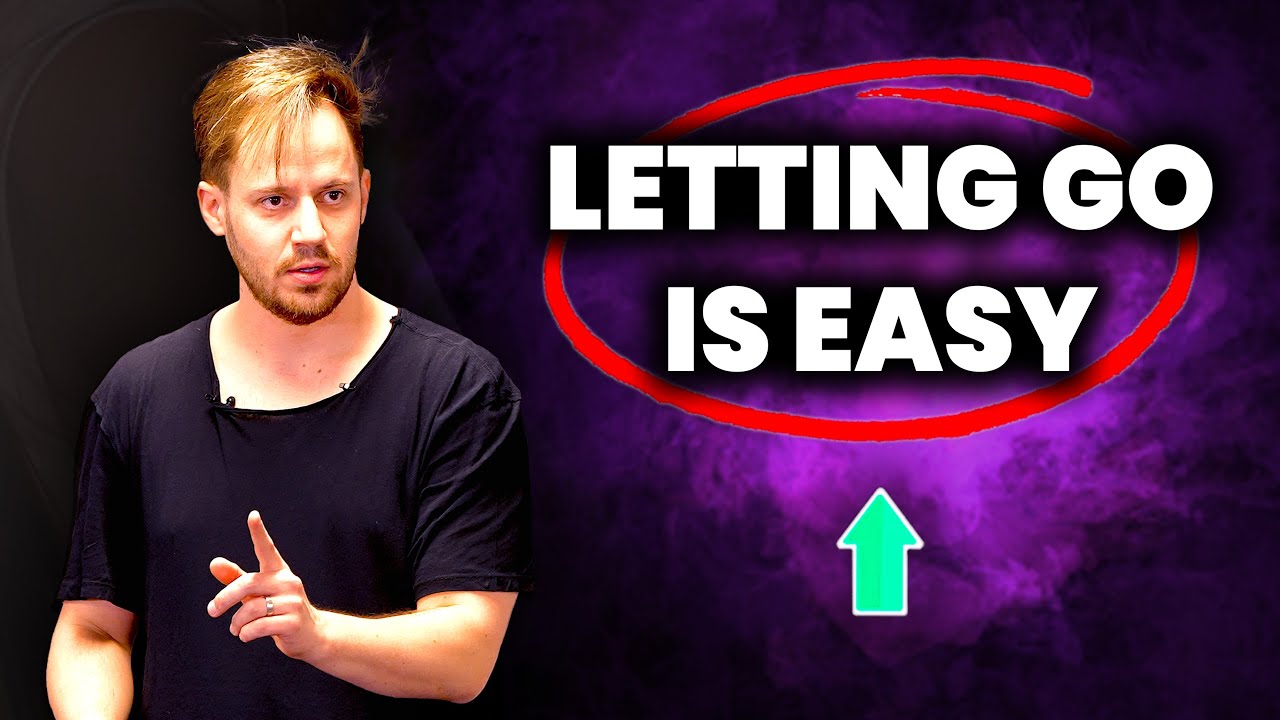
I Spent 9 Years LETTING GO... (I Wish I Knew This Sooner) by JulienHimself — a thoughtful retrospective on a long, slow practice of letting go.
Closing Thoughts
Till next week, stay safe, stay curious, and keep kicking. ✌️

Written by
Yassen Shopov
Exploring the intersection of productivity, technology, and personal development. Building tools and sharing insights to help others live more intentionally.